Studio School
Design workshops
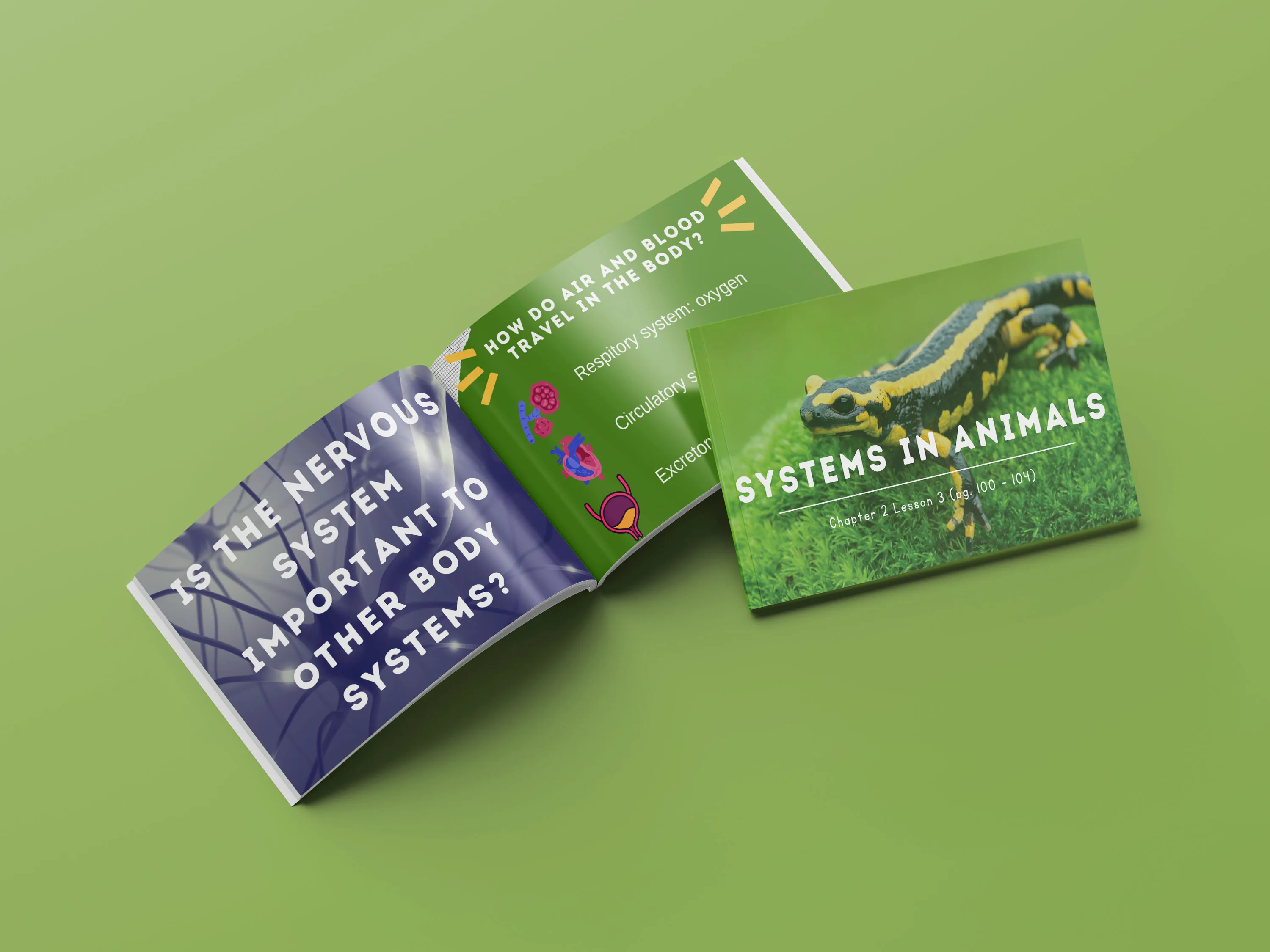
A bilingual, hands-on program that teaches elementary students a simple design method through projects that blend creativity with clear communication in English. Run at Ritz Kornell in Taichung over two school years, the program gave grades 3 through 6 a structured but flexible framework: discover, ideate, prototype, iterate, present. Students built websites, mechanical prototypes, and interactive experiments while learning to document and explain their choices.
Discover
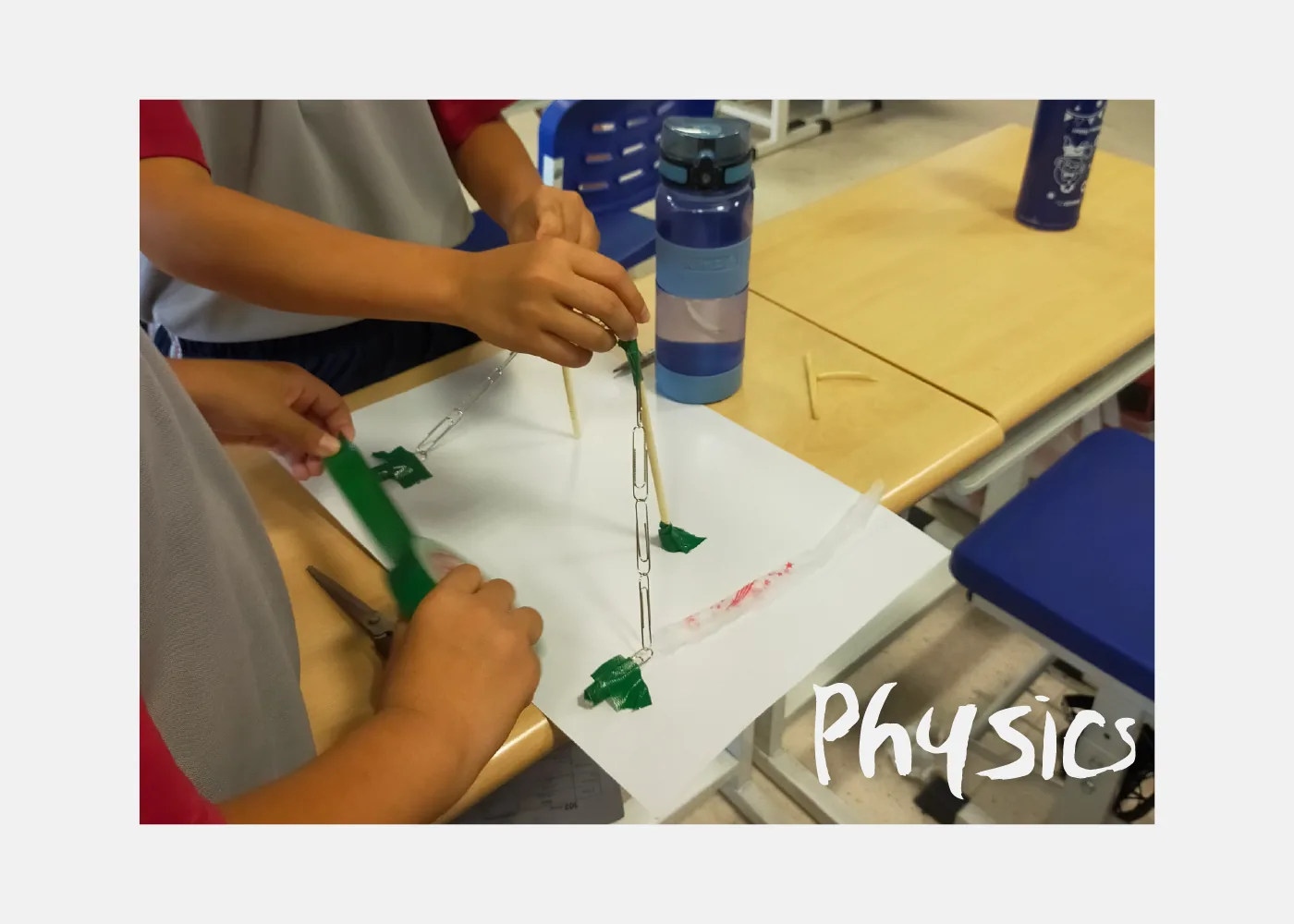
Each module starts by framing a real problem. Students observe their environment, interview peers, or respond to a research prompt. The goal is to ground every project in something concrete rather than abstract. Early iterations of this step used open-ended prompts, but these were tightened over time to give students a clearer starting point while still leaving room for unexpected directions.
Ideate
Fast sketching and list-making sessions generate a wide range of ideas in a short time. Students then select one concept with input from peers, practicing how to explain their reasoning and respond to feedback. The constraint of choosing quickly prevents overthinking and gets students into making sooner.
Prototype
Students build working versions of their ideas. For website modules, this means wireframes in paper, then coded pages. For experiment modules, this means simple mechanical or interactive rigs built from available materials. The emphasis is on speed and learning through making, not on polish.
Iterate
Testing and documentation happen together. Students test their prototypes, record what works and what breaks, and make targeted improvements. The documentation becomes part of the project itself, teaching students that tracking changes is as important as the changes themselves.
Present
Students share their work in English, explaining their goal, the choices they made, the evidence they gathered, and what they would do next. Presentation skills are treated as a design skill: how you communicate the work is part of the work.
Gallery
Specifications
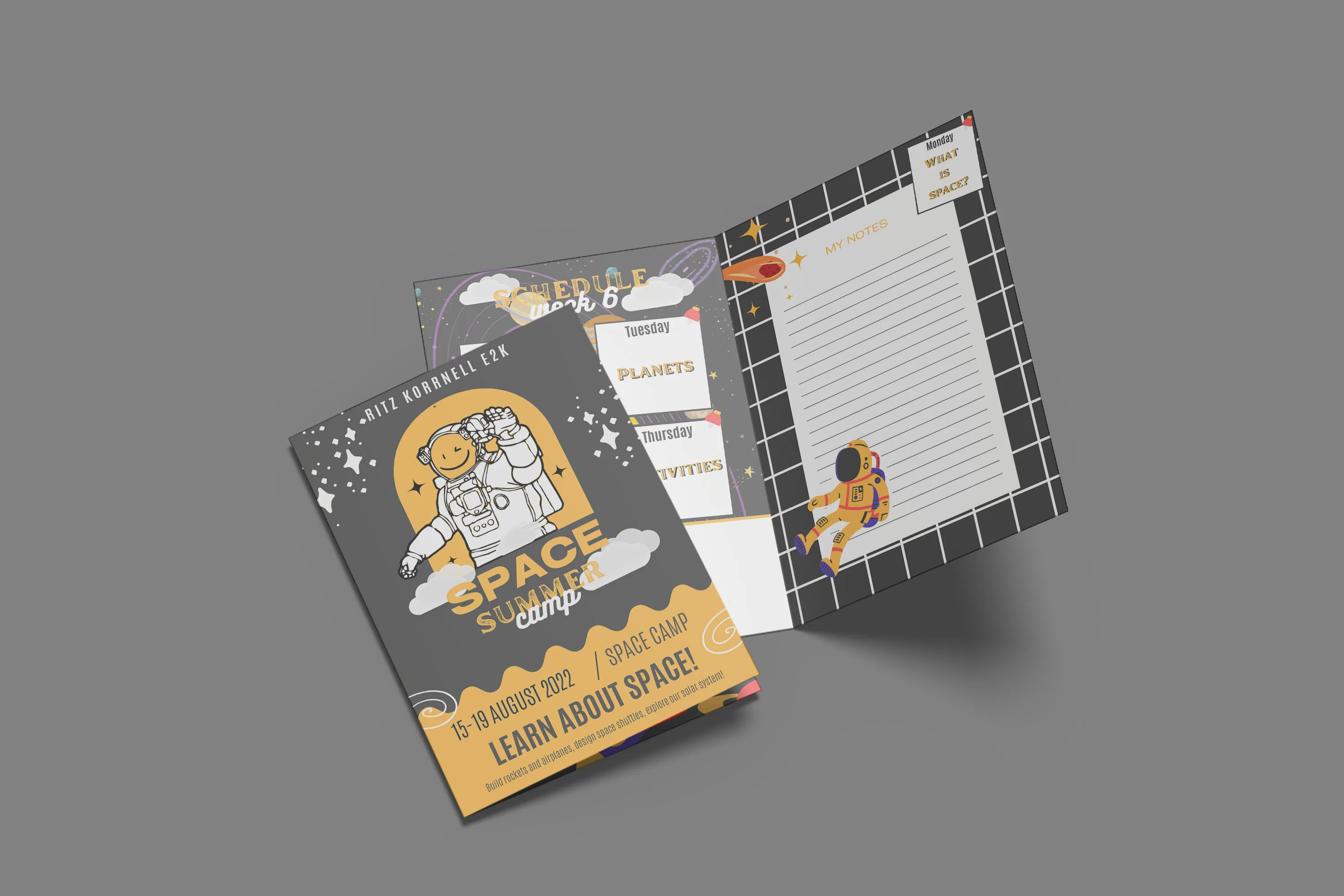
Ritz Kornell · Taichung, Taiwan · 2021–2022 · audience: grades 3–6. Modules: student websites (wireframes → build → critique → ship) · experiments (mechanical/interactive prototypes with guided testing). Resources: workbooks, digital modules, peer-review templates
- Challenges1/2
Early lessons were too rigid and discouraged exploration. Prompts were restructured to balance structure with play: time-boxed freedom within clear constraints, better examples to show the range of acceptable outcomes, and more peer critique built into each phase.
- Insights2/2
Scaffold abstract ideas before expecting synthesis. Documentation and peer critique accelerate learning faster than additional instruction. Students progress fastest when they show work early and often.
Swipe to explore