The Temple of Trash
Upcycled functional art series
An ongoing collaboration turning discarded materials into functional art. Working with studios including Woodtomdoit, Studio Gimp, and YidaCNC, the series uses luffa, rush grass, bamboo, foam, metals, and more to test how 'dirty' materials can carry beauty and use. What started as lockdown experiments became a full exhibition at Lei Gallery, proving that coordination between makers matters more than the quality of raw material.
Remote collaboration
During COVID lockdowns, the project ran entirely through shared sketches, material lists, and video calls between studios. Minofmeer set the scope and cadence while each partner tested materials independently. The constraint of distance forced clearer communication: every sketch had to stand on its own, every material sample needed documentation. This phase established the shared language that held the project together once studios could meet in person.
Material experimentation
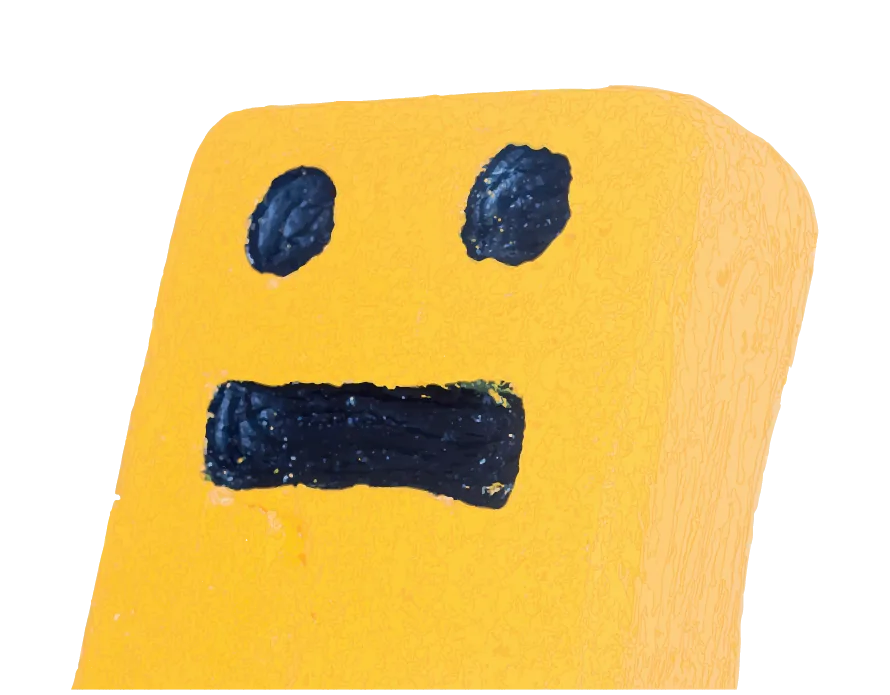
Studio sprints explored how discarded materials behave under stress. Foam was carved and layered, nylon was melted and reformed, metals were bent and welded into frames. Joint strategies varied by material: some needed adhesive, others relied on friction or wrapping. The trash mascots, a series of small character figures, emerged as a joint concept during this phase and became the connective thread across all the contributing studios.
Consolidation and installation
As restrictions eased, works from each studio were brought together, assessed for durability, and finished for exhibition. Methods ranged from hand-stitching rush grass panels to machining metal frames to quick epoxy repairs on fragile joints. The final installation at Lei Gallery arranged pieces to show the full material range, from delicate woven forms to heavy welded structures, all connected by the shared process of reclaiming waste.
Specifications
Various dimensions · luffa, rush grass, bamboo, marble, polyester, nylon, styrofoam, assorted metals · Minofmeer + partners · Lei Gallery, Taichung · 2020–2021 (ongoing)
Gallery
- Challenges1/2
Inconsistent quality from second-rate materials led to weak joints and uneven finishes. Some pieces cracked during transport, others lost their surface treatment under gallery lighting. Fast reinforcement methods and selective surface treatments became necessary at every stage.
- Insights2/2
Upcycling succeeds when durability testing happens early and the story stays visible in the structure. The real tool that turns scraps into a coherent show is coordination between makers, not any single material technique.
Swipe to explore